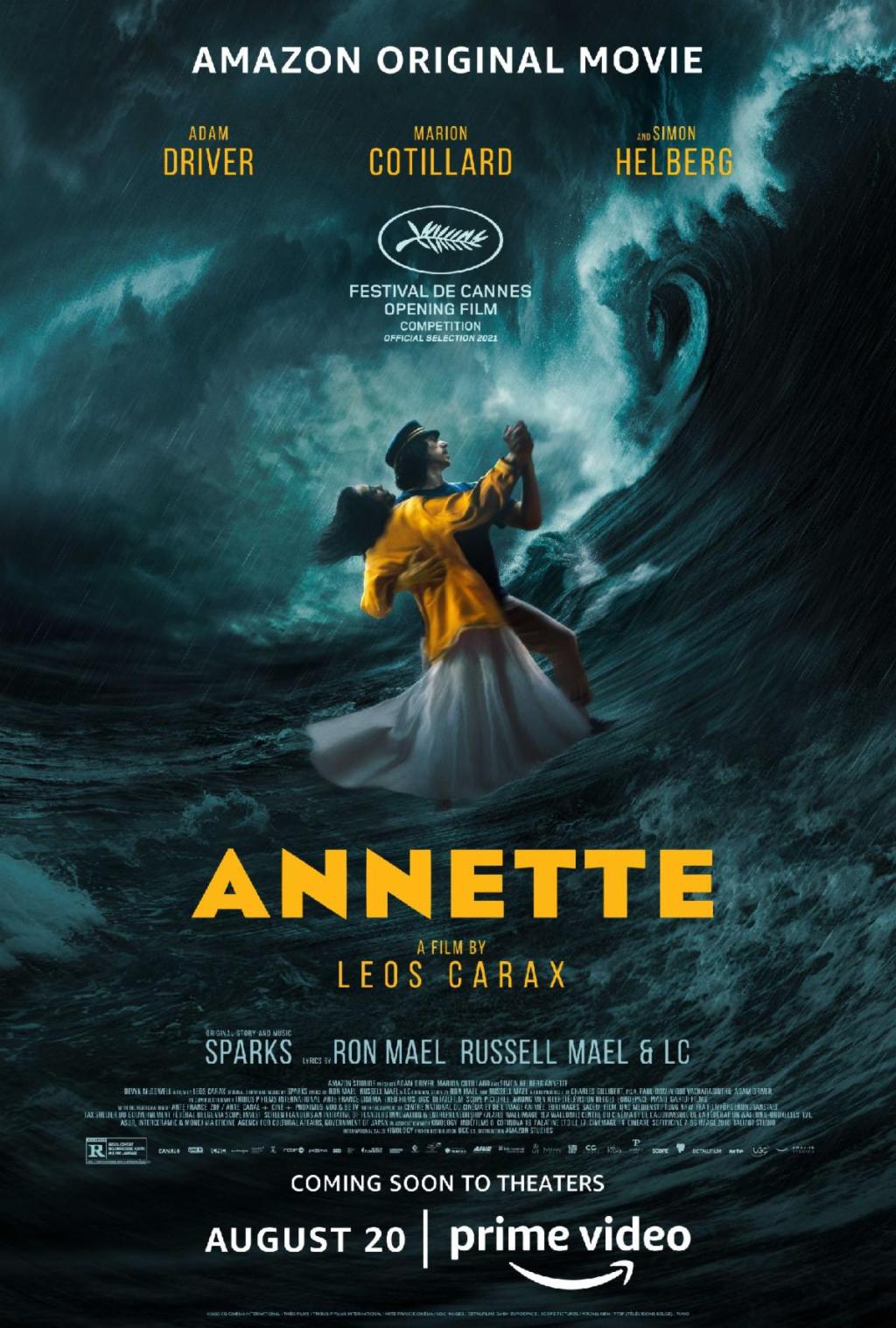
Directed by Leos Carax
Starring Adam Driver, Marion Cotillard, Simon Helberg and Devyn McDowell
It’s dreamy and sometimes disturbing
It’s weird and often wonderful
It’s most certainly unlike anything you’ve ever seen before
A highly original musical drama infused with romance, Annette was the premier film at the 2021 Cannes Film Festival where it was nominated for the Palme d’Or and won Leos Carax the Best Director Award. It also earned brothers Ron and Russell Mael; best known as the Sparks duo, the Soundtrack Award for Best Composer. In fact, the genesis of Annette, as well as its evolution at becoming the ambitious and experimental project it is today, is largely owing to the brothers, who wrote this story in addition to all of the music and songs in the film.
Opening with a catchy song and dance sequence set on the streets of Los Angeles is one of very few commonalities Annette shares with La La Land, or any other film for that matter.
A provocative stand-up comedian, Henry McHenry (Adam Driver) and a stunning world-famous opera singer, Ann Desfranoux (Marion Cotillard) experience heightened celebrity status following the public announcement of their engagement. As Henry’s stand-up career begins to fall to its last legs and Ann’s continues to soar, their lives take drastic and unpredictable turns for the worse soon after Ann gives birth to their first child and daughter, Annette.
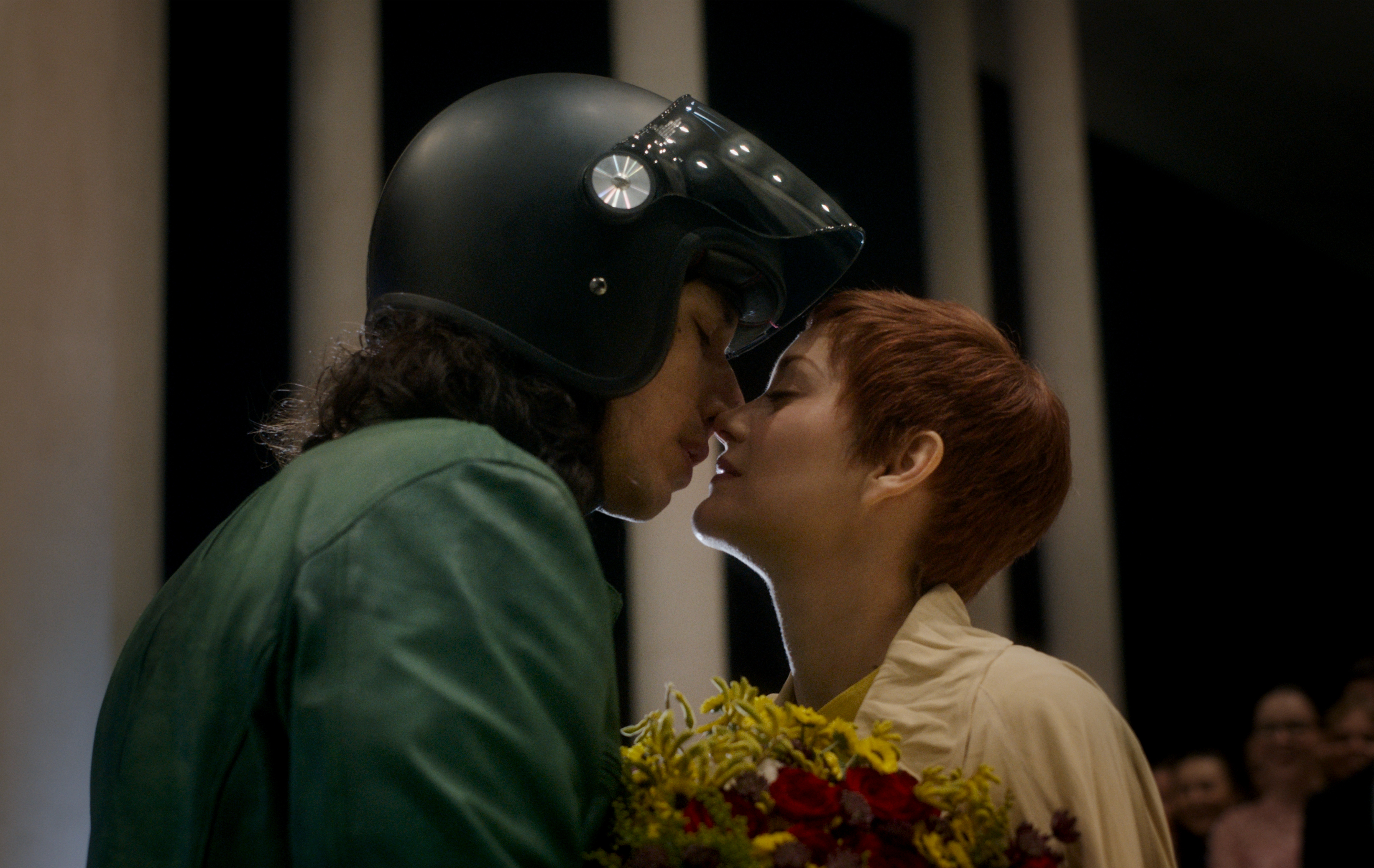
Naturally, a film that takes so many risks and dares to be different is consequently a risk that may or may not be worth taking for us. For starters, there is no questioning its commitment to its craft; Annette is directed with grandiosity, sheer confidence and mesmerising artistic style by Leos Carax, who last directed Holy Motors, a French-language arthouse hit that surprisingly featured Kylie Minogue in a role. To go with that, cinematographer Caroline Champetier’s camerawork is more than captivating; it’s seductive. At worst, you’ll find it terribly pretentious. At best, you won’t be able to remove your gaze from the screen. Annette’s undeniable visual prowess is a constant player in proceedings and has greater reliability thrust upon it for quite some time before the much-anticipated appearance of the titular character. On that note, the weight of expectation, the lengthy wait and the highly episodic and disjointed rendering of the plot all leading up to the birth of baby Annette are heavily prone of summoning a feeling of tedium. I frequently felt impatient. There are times that the novelty of Annette begins to heavily wane. Thankfully, just as it does, something is thrown our way to again to draw curiosity and fascination, and the story assumes a more continuous form for the remainder of the film too.
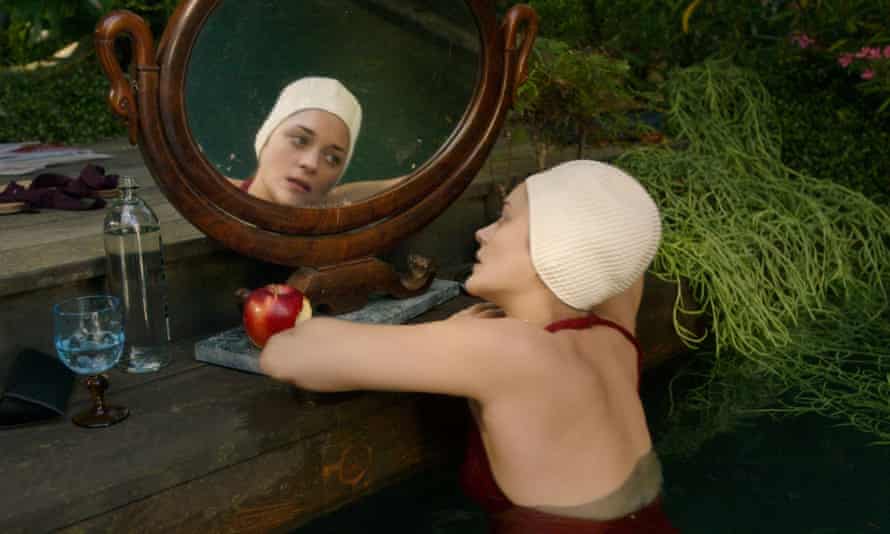
If you are someone who can find the fun among the frustration of attempting to piece together any possible meaning, purpose or themes to be derived from a film that is intentionally symbolic and cryptic of such matters, then Annette is highly recommended viewing. This aspect of Annette, as well as its overall obscurity and weirdness, reminded me a lot of 2017’s The Square. Without revealing any spoilers, I’d be keen to know what viewers interpret from Henry McHenry’s darkening stand-up dialogues, the reactions to these from his audience, Annette’s physical composition and especially any presumptions or understandings to emerge from the most substantial developments in the latter part of the film and its conclusion.
Annette is showing in selected cinemas across Australia from August 26.
Moviedoc thanks Madman for the screener link to watch and review this film.
Review by Leigh for Moviedoc
Follow on Twitter – Moviedoc / LIKE on Facebook – @moviedoc13 / Follow on Instagram – moviedoc_melbourne
©


Leave a comment