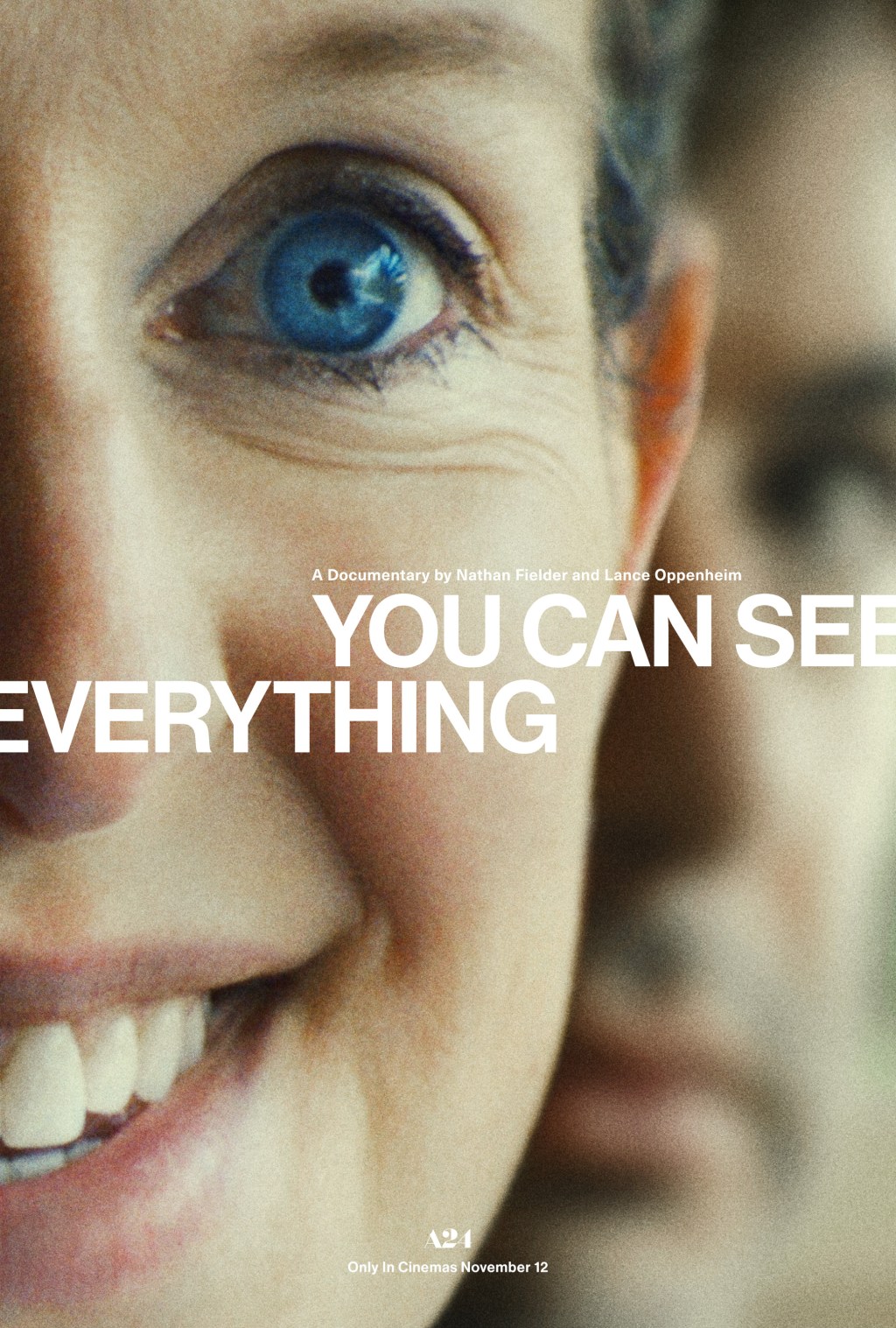
DIRECTORS
Nathan Fielder and Lance Oppenheim
Is this one of the most hyped and destined to be one of the most successful documentary features of all time?
After premiering to a totally blindsided audience at the 53rd Telluride Film Festival, You Can See Everything was then added to the New York Film Festival line-up shortly after and was even a special request by NASA to be screened aboard the International Space Station! Debuting with $15.6 million at the United States and Canadian box office, making it the second-best opening weekend ever for a non-musical documentary behind Fahrenheit 9/11 in 2004, it would certainly appear this puzzling, yet profoundly psychological labyrinth will achieve what so few documentaries do.
As is the case in just about every single film (in my humble opinion), You Can See Everything is especially best viewed with as little prior knowledge of its content as possible. While I will not be revealing just how circumstances curiously transpire from where I mention they begin, I do feel it is incumbent upon me to advise out of cautionary care what not to arrive expecting from You Can See Everything.
Many people know the name Elizabeth Holmes by association to the health technology company she founded in 2003, called Theranos, which led to her becoming the youngest self-made female billionaire in the United States, until she would eventually be convicted of fraud. It is important to note that You Can See Everything is not an investigative journalism piece into to the making and breaking of Theranos. In fact, it covers what it wishes to on the topic via expository text before why we’re really here commences. This metadocumentary is also not a film that is going to or even can answer all questions provoked throughout an epic runtime of almost 3 hours. Truth be told, You Can See Everything is bound to leave viewers with more questions than what they arrived with.
So, I’ve written a little about what You Can See Everything is not. Therefore, where does it begin?
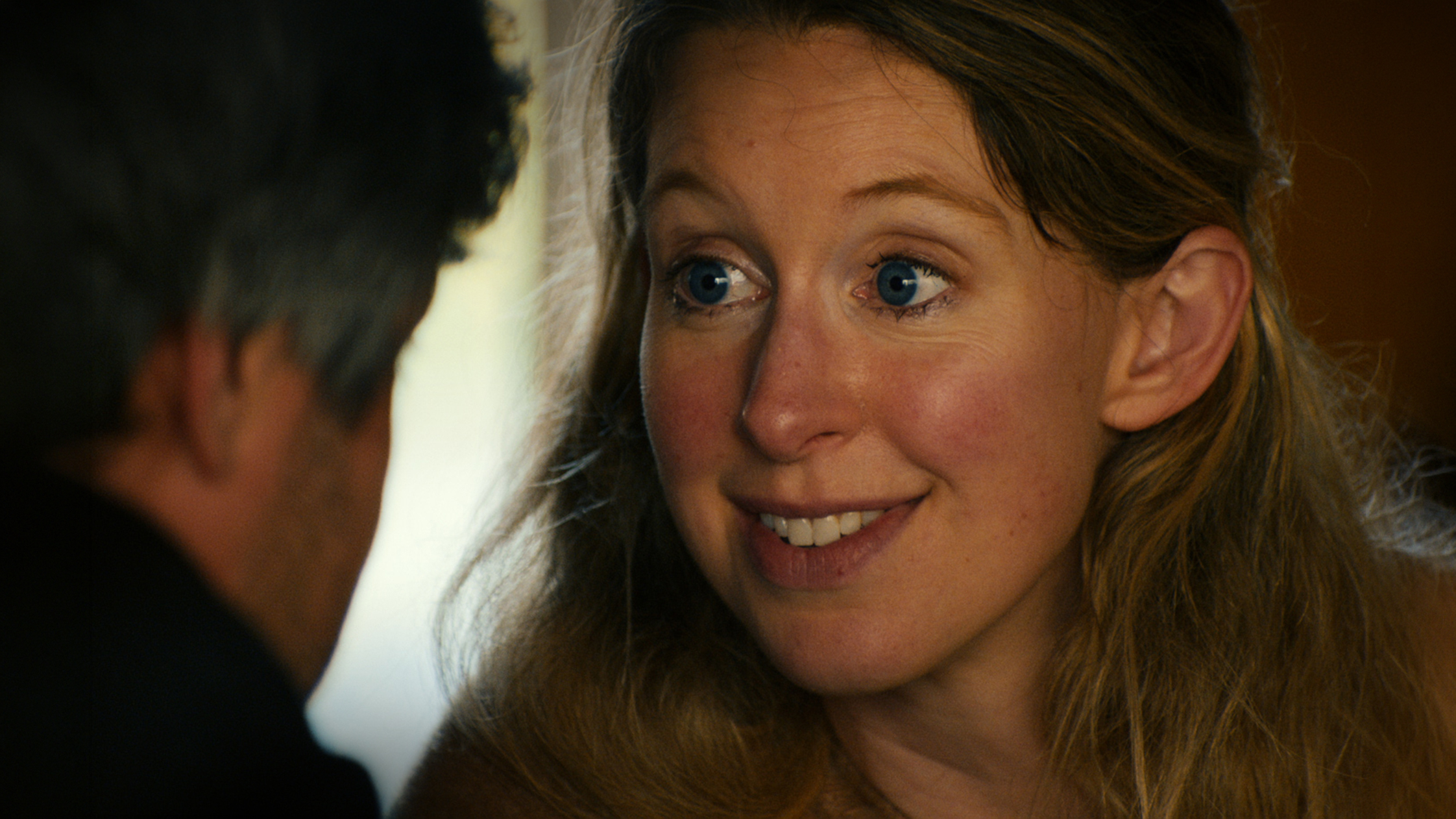
With her prison sentence just 34 days away, Elizabeth Holmes invites filmmakers Nathan Fielder and Lance Oppenheim (director of current cinema release Primetime) into her home for the general public to gain full transparent access to her family; partner Billy and their son, and to listen to her honest answers to every question that co-director Nathan Fielder confronts her with on-screen. Whether he, you or anyone accepts Elizabeth’s answers as truth is a question in itself!
As 2026 enters its second-last month, if nothing else, it has delivered two of the most unique documentary features I’ve ever seen! The History of Concrete, which is far more entertaining than the title suggests, and now You Can See Everything.
When scrutinising this film, there are many individual elements that contribute to the distinctiveness of this particular project, but none more so than the formats it both adopts and abandons in bringing us its altering story, and the manner in which the film involves its subjects. This is truly unlike anything I’ve seen and makes for an experience that is equally enigmatic, exciting and extraordinary. Full credit must be given to our filmmakers for being avant-garde in this department. Also, it must acknowledged that Nathan Fielder does not at all shy away from asking various kinds of confronting and direct questions of his subjects that often results in head-scratching and absurdly funny moments.
Where certain challenges presented by You Can See Everything became frustrating above all else was in the lack of clarity and consistency by way of its wavering and questionable objective. Nathan Fielder is evidently fascinated and deeply intrigued by his subjects, but will audiences be equally invested and absorbed for a full 3 hours? If you find yourself feeling lost, unsure what the absolute heck is happening, what to make of what is unfolding or where on Earth this is headed, rest assured you are far from alone and that is precisely the film’s intention! Having said that, a part of me still believes there is a place for more structure and greater purpose than is present. Finally, another challenge inherently in this film is just how much of it is uncomfortable. This exists in every aspect; its ambiguity, the filmmaking consisting of many extreme close-ups and an unsettling score and an abundance of content and conversation that is simply strange and disconcerting. The sooner you can become comfortable with being uncomfortable, the more effortless it becomes at enabling this film to achieve what is its elusive yet ultimate goal.
You Can See Everything is showing in cinemas across Australia from November 12th, 2026.
Moviedoc thanks A24 and Nixco for the invitation to the screening of this film.
Review by Leigh for Moviedoc
LIKE on Facebook – @moviedoc13 / Follow on Instagram – moviedoc_melbourne
©


Leave a Reply