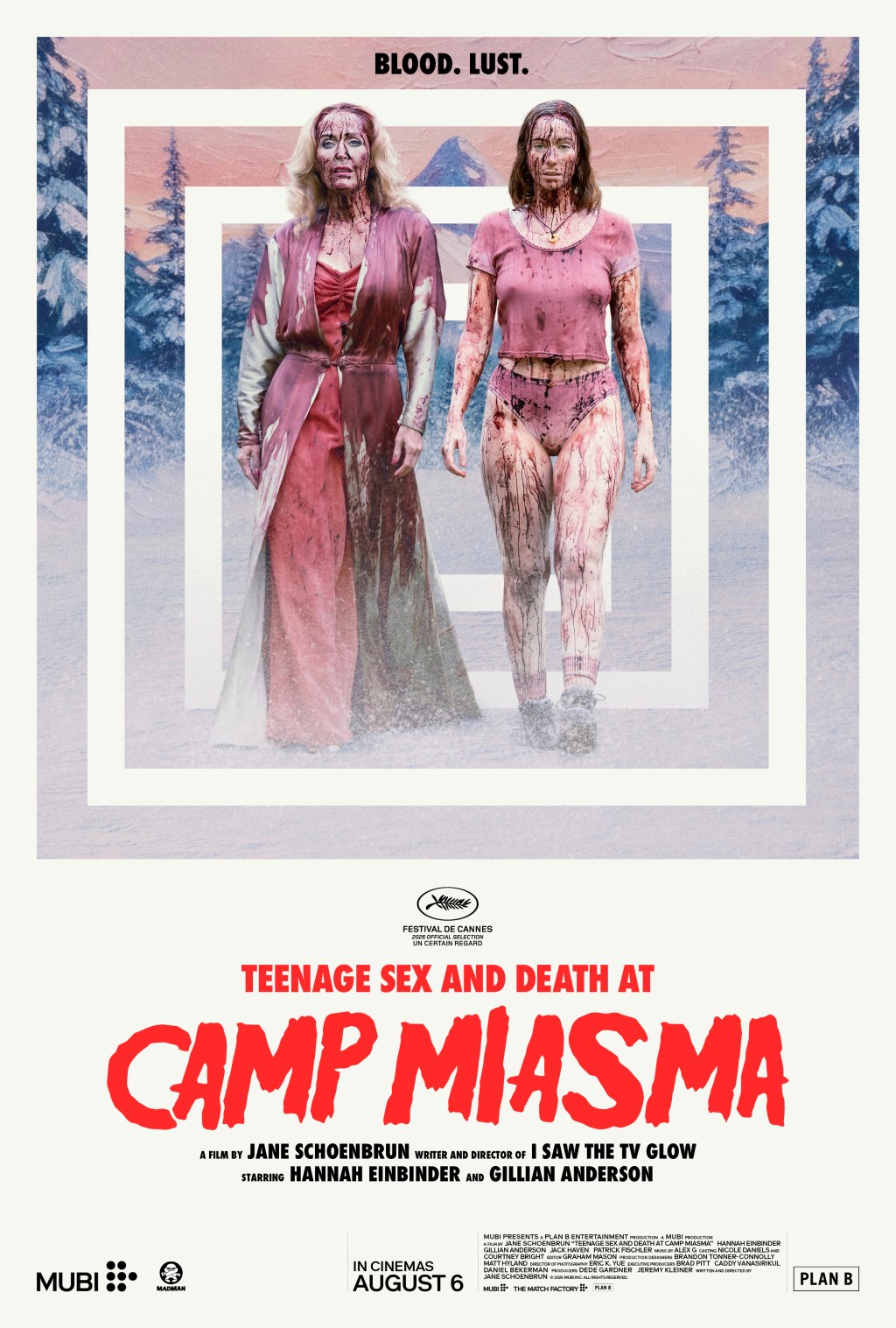
WRITER & DIRECTOR
Jane Schoenbrun
I Saw the TV Glow, We’re All Going to the World’s Fair
STARS
Gillian Anderson, Hannah Einbinder and Jack Haven
Reviving the genre of Camp in 2026, rampant with oversaturation, can be considered a difficult feat. Artificiality, in a world already so artificial, must be met with passion, tenacity and force. Awkward over-explanations, serious ‘unseriousness’, chaotic slow-mows, cartoonish backgrounds, Schoenbrun’s Teenage Sex and Death at Camp Miasma accomplished the increasingly impossible.
A 2026 American slasher film, the plot follows a queer director attempting to revive a popular 1980’s franchise portraying a gender-fluid villain named little death, who carries out murder sprees on teenagers battling desire and fear. The young director travels to the camp where the first film in the franchise was shot, now home to the original star, a reclusive actress, where they explore a world of blood-soaked anarchy, lust, nostalgia, and euphoria together. The reclusive actress embodies a slow rhythm that contrasts the young director’s internal anarchy. Heavy in satiric prejudice, Schoenbrun reappropriates rigid social norms and attitudes, creating a subversive, campy production revolving around themes of virginity and existentialism.
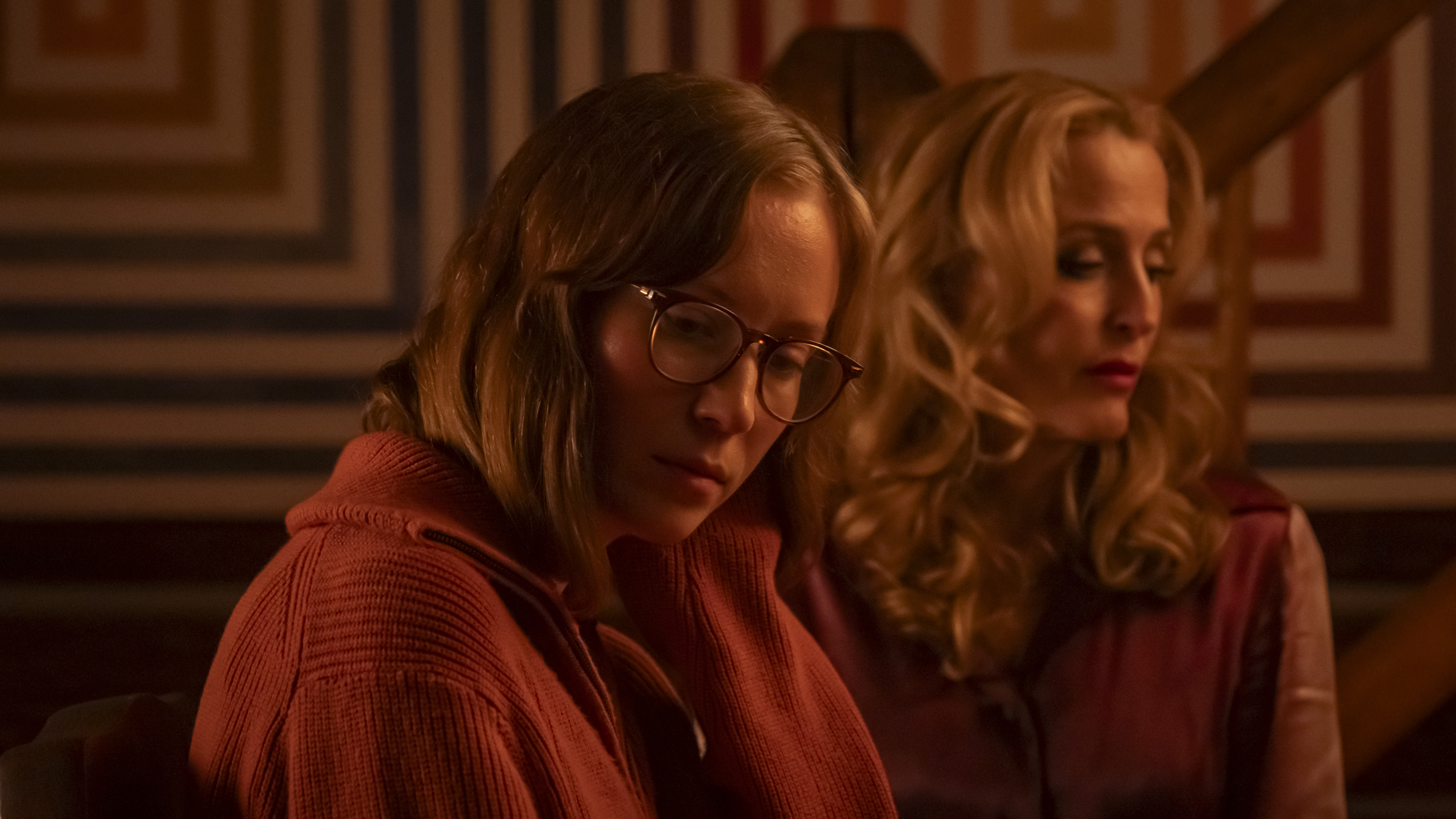
“He always comes back”. Whether it be desire, fear, or gore, Schoenbrun somehow returns these emotions to us, and more. This production, dream-like and blurring lines of reality, explores the trenches of human consciousness. The plot is meta-textual, with a young director who is consumed by existing culture, attempting to revive a slasher franchise. In doing so, Schoenbrun’s direction may relate to many young creatives who feel an inability to produce authentic material without referencing the past. It also speaks directly to those who feel sexually and emotionally stunted, who understand intimacy through representation rather than lived experiences. Desire becomes something rehearsed, pursued, and prepared. In this film, killings become eruptions of repressed sensation, embodying freedom rather than pain and violence. An easter egg for the audience lies in the similarity between the name of the villain, little death, and the French idiom, la petite mort. A phrase translating to the orgasm of the human body, another suppressed desire explored in this film.
Humorous yet assertive, Schoenbrun’s direction blurs the line between performance and reality. Teenage Sex and Death at Camp Miasma is self-aware without becoming overly detached and understands genre but refuses to be contained by it. The exaggerated campy performances and stylised violence reveals an emotional component beneath its artificial environment that prioritises connection. Diverse colour palettes, a rich soundtrack, Schoenbrun uses lighting and sound to express fondness, stillness, and genuine feeling.
Ultimately, Teenage Sex and Death at Camp Miasma is a genre revival that explores disconnection to our own desires, and how art can recover that connection. There is no genuine solution offered, and many scenes leave the audience suspended and perplexed on what happens next. Schoenbrun’s most personal film yet absolutely keeps the audience engaged, through its bizarre storytelling and limitless direction.
Teenage Sex and Death at Camp Miasma is showing in selected cinemas across Australia from August 6th, 2026.
Moviedoc thanks Madman for the invitation to the screening of this film.
Review by Janer for Moviedoc
Follow on Instagram – @cksjaner
©


Leave a Reply